
Best Time to Visit Makgadikgadi and the Boteti River
April to October is generally a good period for wildlife viewing in the Boteti area. April and October are transition months; the driest winter months are usually May to August, with cold mornings, while September and October can be very hot. Rain falls mainly in the summer months, broadly November to March, sometimes into April. These are seasonal patterns, not fixed dates.
Check availability & prices- Dry season
- Generally April–October; transitions vary
- Green season
- Mainly November–March, sometimes April
- Zebra migration
- Seasonal movements; no fixed dates
- Malaria
- Risk varies; seek travel-health advice
April to October: planning a Boteti safari
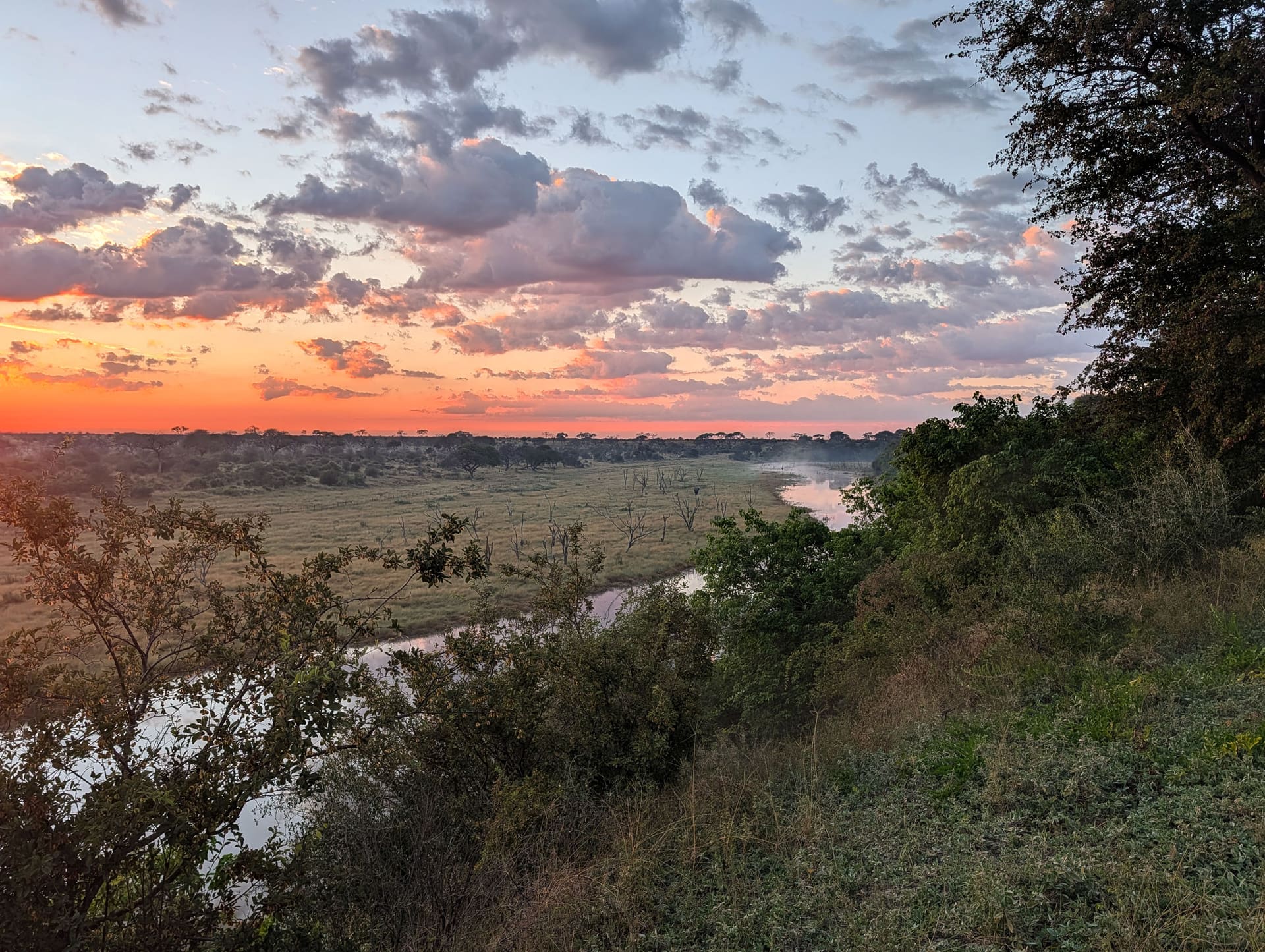
April to October is generally a good period for wildlife viewing in the Boteti area. April and October are transition months; the driest winter months are usually May to August, with cold mornings, while September and October can be very hot. Rain falls mainly in the summer months, broadly November to March, sometimes into April. These are seasonal patterns, not fixed dates.
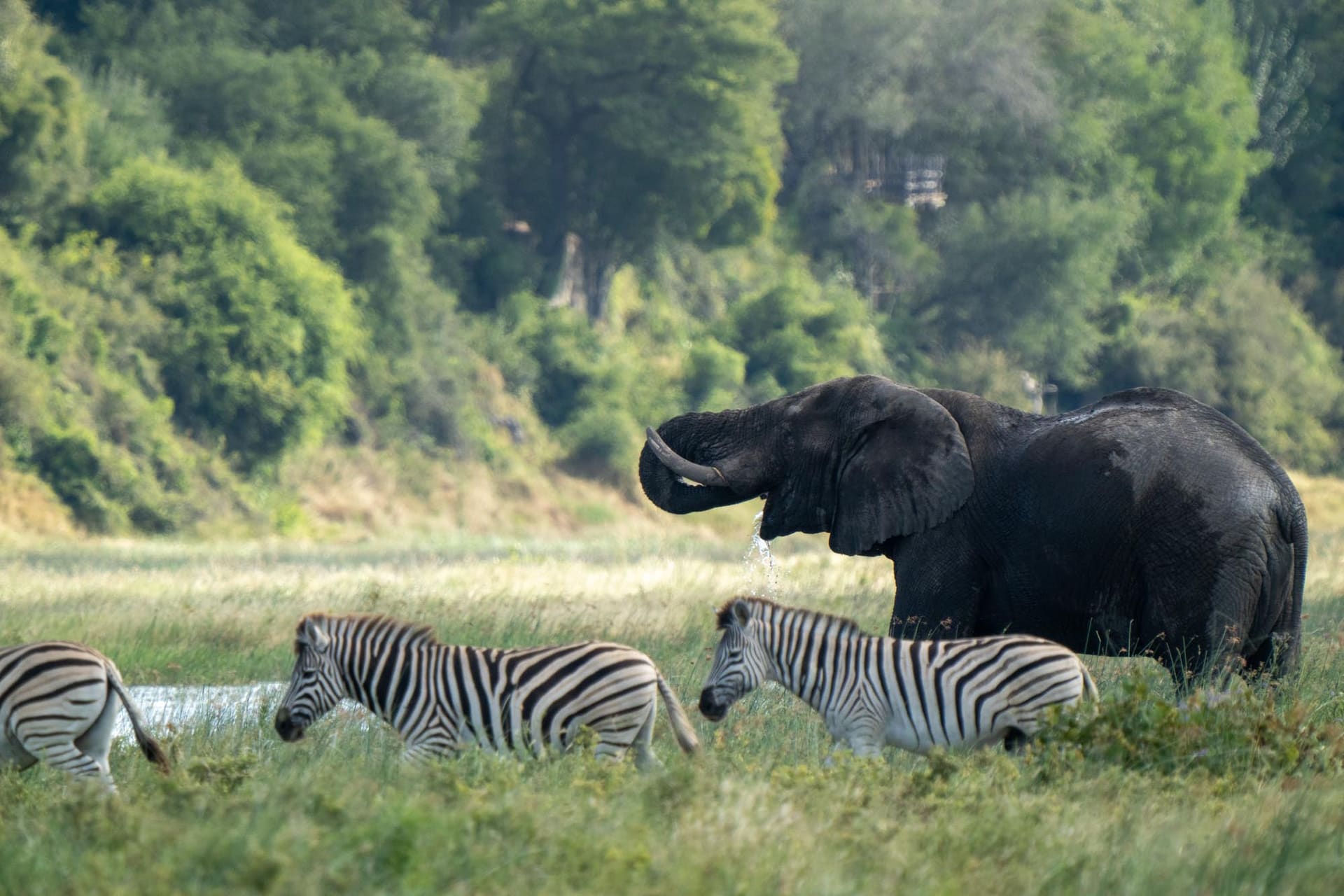
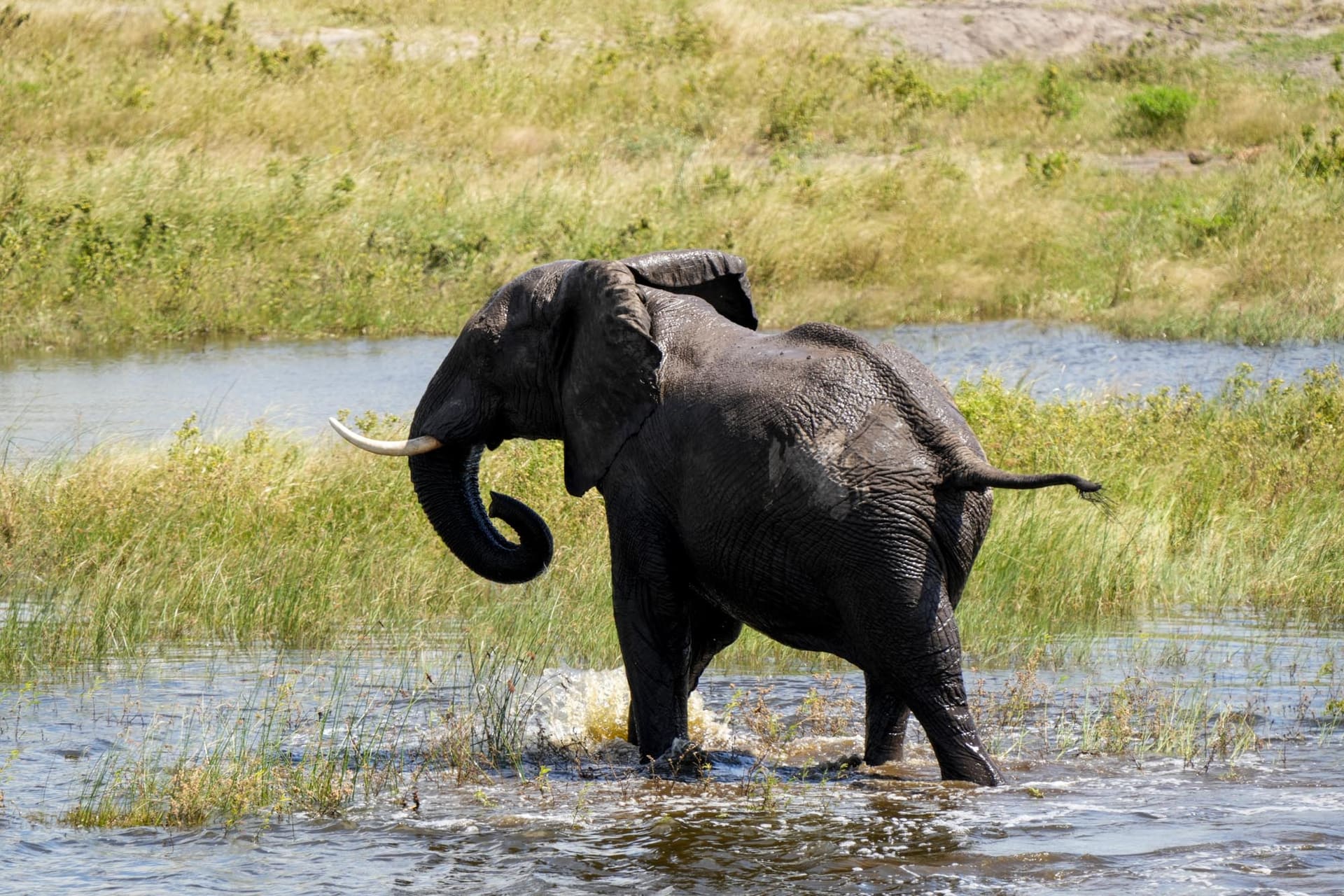
Elephants, hippos and antelope may be seen in the Boteti area, depending on water and animal movements. Plan a safari into the national park to look for other wildlife. No species or daily sighting is guaranteed from camp.
Green season, November to March: rain, birds and colour
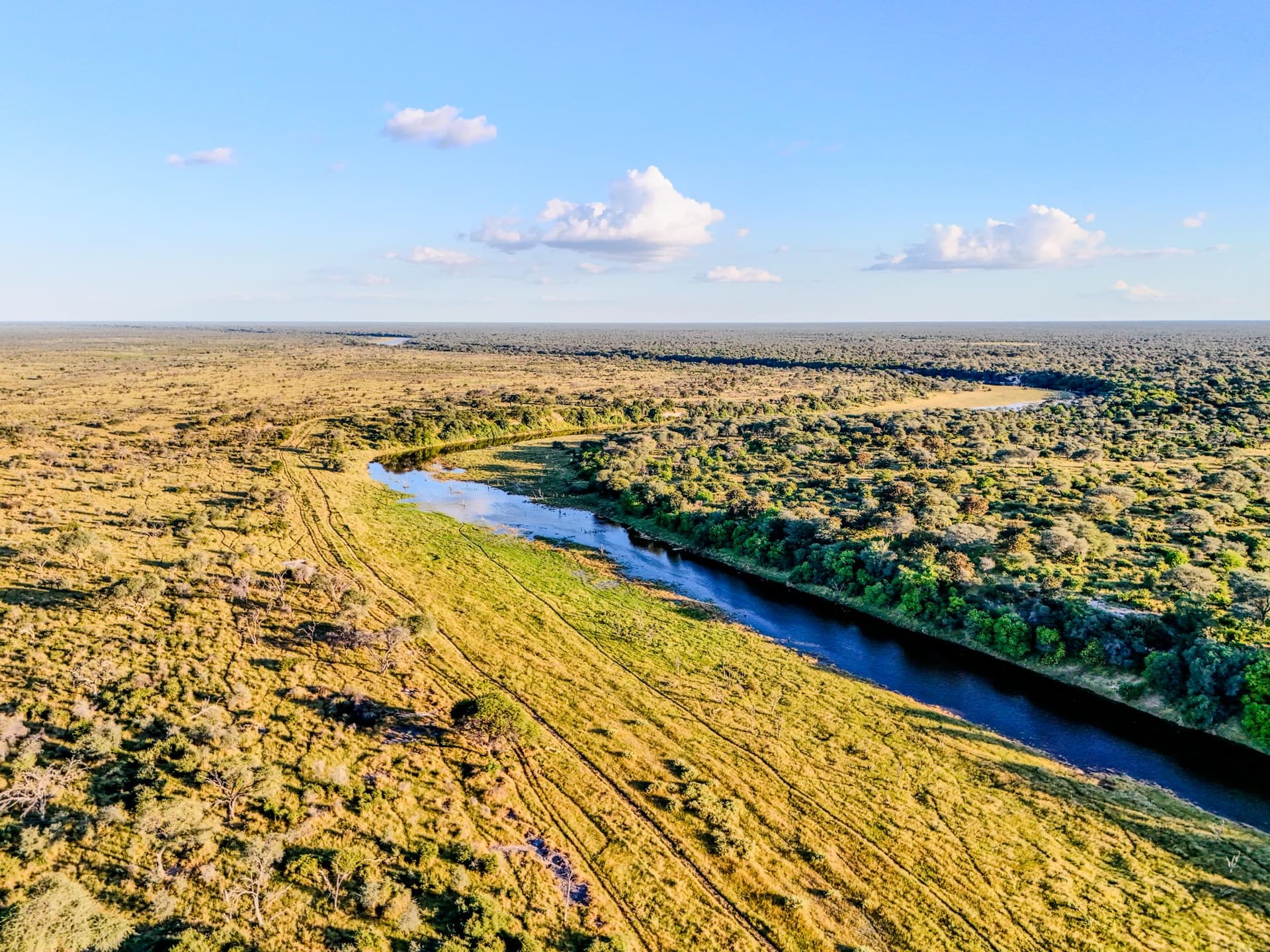
Summer rain can bring green grasslands and seasonal birdlife. Rainfall is uneven and the pans do not flood every year. Wildlife can disperse as more water and grazing become available; sightings and conditions vary.
The zebra migration
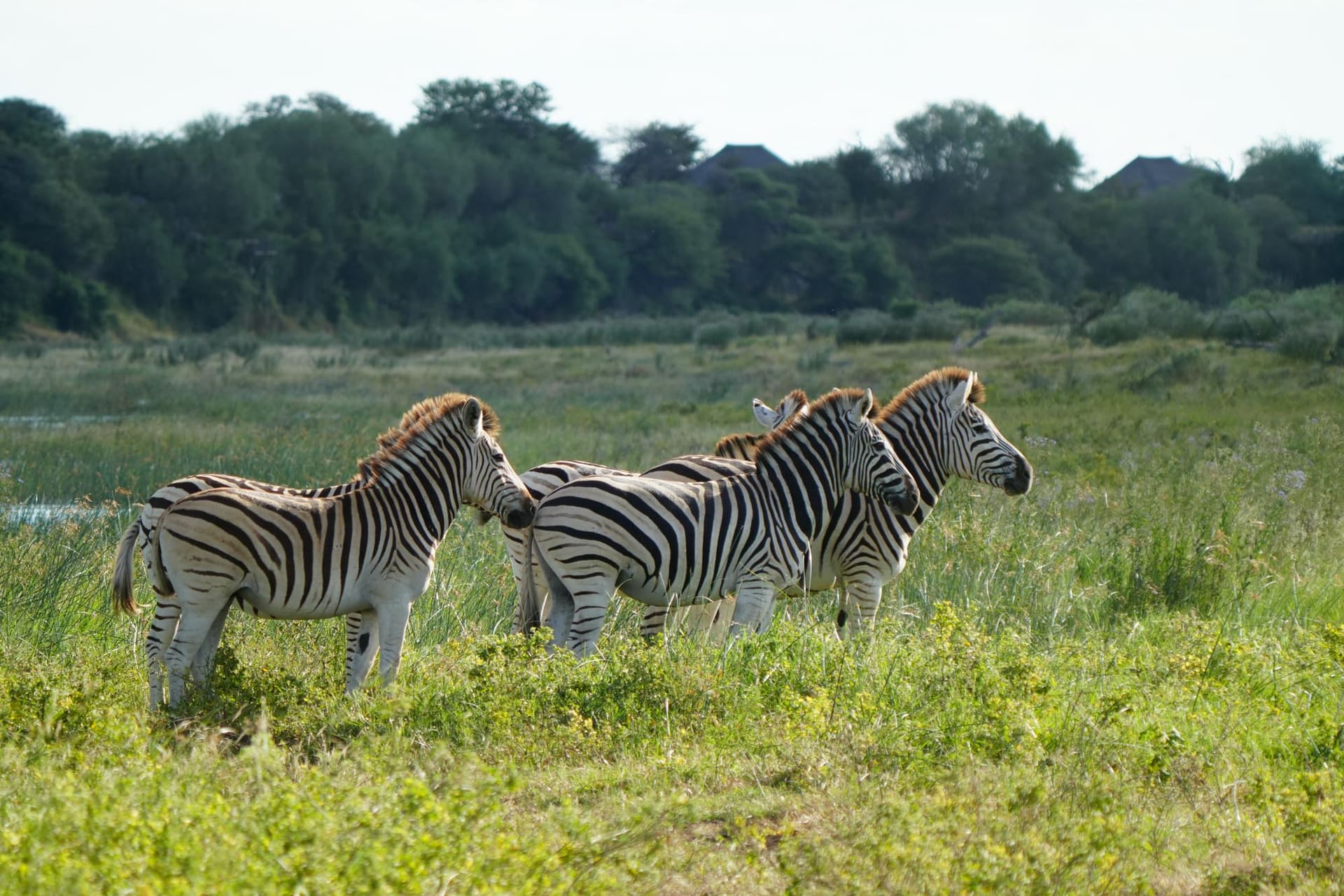
Makgadikgadi zebra herds follow seasonal water and grazing. During the rains they use the grasslands around the pans; as surface water disappears, many move towards water sources along the Boteti. They graze the surrounding grasslands, not the bare salt crust. Timing and routes vary, and herds directly below Naledi Camp are not guaranteed.
Mokoro, water levels and the river
The Boteti is an important water source, but its flow and remaining pools vary with inflow from the Okavango system and conditions from year to year. Sections can dry out. Neither a flowing river nor water activities can be promised for a particular month.
Mokoro trips on the Boteti last about 2–3 hours when water levels and local conditions allow. Availability must be confirmed for your dates. Wildlife sightings are possible but never guaranteed; guides determine a safe route.
Health and booking by season
Malaria occurs in the Boteti/Makgadikgadi region. Risk varies by place, season and year and is not limited to November–April. Seek travel-medicine advice for your exact itinerary and dates, including whether preventive medication is appropriate. Use repellent, covering clothing and mosquito nets in every season.
Standard bookings can be cancelled free of charge until 60 days before arrival. Discounted non-refundable prepayment is excluded; the conditions of your selected offer apply.
Frequently asked questions
When is the best time to visit Makgadikgadi for wildlife?
April to October is generally a good period for wildlife viewing in the Boteti area. April and October are transition months; the driest winter months are usually May to August, with cold mornings, while September and October can be very hot. Rain falls mainly in the summer months, broadly November to March, sometimes into April. These are seasonal patterns, not fixed dates.
When does the zebra migration happen?
Makgadikgadi zebra herds follow seasonal water and grazing. During the rains they use the grasslands around the pans; as surface water disappears, many move towards water sources along the Boteti. They graze the surrounding grasslands, not the bare salt crust. Timing and routes vary, and herds directly below Naledi Camp are not guaranteed.
Is the green season worth it?
Summer rain can bring green grasslands and seasonal birdlife. Rainfall is uneven and the pans do not flood every year. Wildlife can disperse as more water and grazing become available; sightings and conditions vary.
How cold does it get in winter?
Early mornings and evenings in the dry winter months can be cold, while the days are warm and clear. Bring a fleece and a windbreaker for morning safaris.
When is the malaria risk highest?
Malaria occurs in the Boteti/Makgadikgadi region. Risk varies by place, season and year and is not limited to November–April. Seek travel-medicine advice for your exact itinerary and dates, including whether preventive medication is appropriate. Use repellent, covering clothing and mosquito nets in every season.
How far in advance should I book?
Standard bookings can be cancelled free of charge until 60 days before arrival. Discounted non-refundable prepayment is excluded; the conditions of your selected offer apply.
Check your travel dates
See availability and live rates for your season, and book the treehouse or a safari tent directly. Not sure which month suits you? Send a non-binding inquiry and we advise you.
Check availability & prices